


RS PRO White ABS Plastic Sheet, 1.22 m x 610mm x 6 mm
RS Stock No. 068-1621
Brand RS Pro
- Length: 1220mm
- Maximum Operating Temperature: +75°C
- Thermal Conductivity: 0.17W/mK
AED 880.88
in stock now
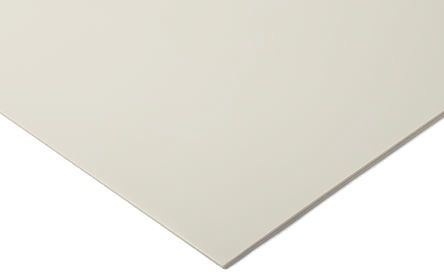
RS PRO White ABS Plastic Sheet, 1.22 m x 610mm x 1.5 mm
RS Stock No. 068-1592
Brand RS Pro
- Tensile Strength: 50 MPa
- Thermal Conductivity: 0.17W/mK
- Thickness: 1.5mm
AED 168.41
in stock now
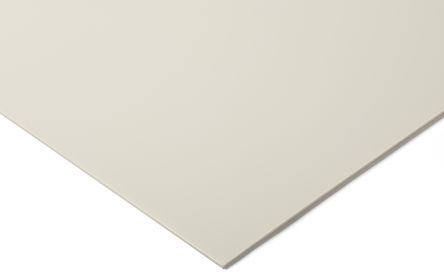
RS PRO White ABS Plastic Sheet, 1.22 m x 610mm x 3 mm, Acrylic
RS Stock No. 068-1609
Brand RS Pro
- Category: Plastic Sheets
- Length: 1220mm
- Maximum Operating Temperature: +75°C
AED 467.60
in stock now

RS PRO Black ABS Plastic Sheet, 2.5 m x 1.25m x 236.16 in
RS Stock No. 081-4353
Brand RS Pro
- Flammability Rating: UL94 HB
- Material: ABS
- Product Type: Plastic Sheet
AED 1.395.84
in stock now

RS PRO Black ABS Plastic Sheet, 2.5 m x 1.25m x 1.5 mm
RS Stock No. 081-4347
Brand RS Pro
- Density: 1.07g/cm³
- Flammability Rating: UL94 HB
- Maximum Operating Temperature: 175°C
AED 737.91
in stock now
RS PRO Black ABS Plastic Sheet, 2.5 m x 1.25m x 4 mm
RS Stock No. 081-4351
Brand RS Pro
- Density: 1.7g/cm³
- Material: ABS
- Thickness: 4mm
AED 1.103.56
in stock now
RS PRO Black ABS Plastic Sheet, 2.5 m x 1.25m x 78.96 in
RS Stock No. 081-4349
Brand RS Pro
- Flammability Rating: UL94 HB
- Maximum Operating Temperature: 175°C
- Super Section: Plastic & Rubber Materials
AED 811.05
in stock now
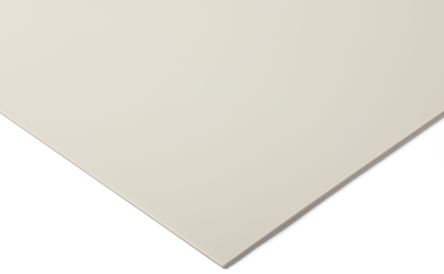
RS PRO White ABS Plastic Sheet, 1.22 m x 610mm x 4.5 mm
RS Stock No. 068-1615
Brand RS Pro
- Category: Plastic Sheets
- Water Absorption: 0.7%
- Width: 610mm
AED 585.46
in stock now
RS PRO Black ABS Plastic Sheet, 2.5 m x 1.25m x 3 mm
RS Stock No. 081-4350
Brand RS Pro
- Category Link: https://ae.rsdelivers.com/browse/mechanical-fluid-power-tools/engineering-materials-industrial-hardware/plastic-rubber-materials/plastic-sheets
- Density: 1.07g/cm³
- Product Type: Plastic Sheet
AED 957.33
in stock now
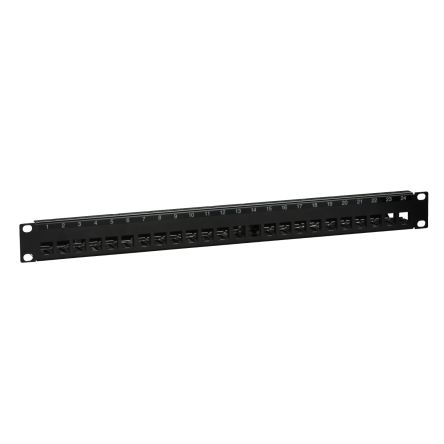
Schneider Electric Rolled sheet metal sheet ABS, Polycarbonate plastic part Patch Panel, 1 U, Shielded 44.5 mm 44.5mm
RS Stock No. 276-9050
Brand Schneider Electric
- Material: Rolled sheet metal sheet ABS, Polycarbonate plastic part
- Sub Type: Patch Panel
- Width: 44.5 mm
AED 294.13
in stock now
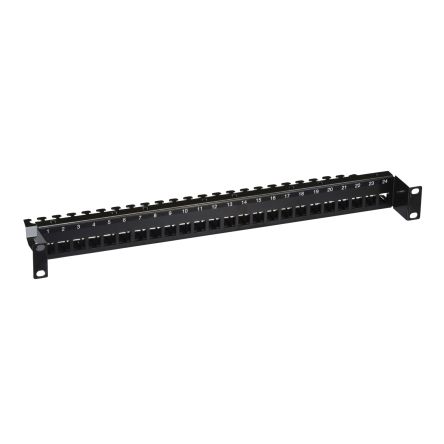
Schneider Electric Rolled sheet metal sheet ABS, Polycarbonate plastic part Patch Panel, 1 U, Shielded 44.5 mm 44.5mm
RS Stock No. 276-9051
Brand Schneider Electric
- Category Link: https://ae.rsdelivers.com/browse/electrical-automation-cables/enclosures-server-racks/enclosures-racking-components/rack-panels
- Shielding: Shielded
- Sub Type: Patch Panel
AED 299.69
in stock now
What are ABS Plastic Sheets?
What are the main uses for ABS Plastic Sheets?
- Enclosures, protective covers, and machine guards
- Lightweight panels for dashboards, electronics housings, and display cases
- Signage, back panels, and architectural inserts
- Prototype enclosures and rapid tooling
- Laser-cut, CNC-cut, or router-cut parts for projects and small-batch production
- DIY projects, model making, and hobbyist builds
How do I choose the right ABS sheet thickness and size?
- Load-bearing or impact areas: thicker sheets (1.5–6 mm) offer higher rigidity and rigidity under load
- Forming and routing: thinner sheets are easier to bend and machine, while thicker sheets resist warping
- Environmental exposure: UV-stabilized or flame-retardant grades are chosen for outdoor or safety-critical applications
- Aesthetic needs: color, gloss level, and surface finish (matte, glossy, textured)
- Available stock: common sizes like 1000 × 600 mm or 1200 × 600 mm simplify fabrication and reduce waste
Can ABS sheets be machined or formed, and what methods are recommended?
- Cutting: using a sharp utility knife for thin sheets, or a CNC router and laser cutter with appropriate settings to avoid charring
- Drilling and machining: standard drill bits work well; drill at moderate speeds with backing material to prevent tear-out
- Routing and notching: hot or cold routing yields clean edges; consider edge finish if aesthetics matter
- Bonding: solvent or solvent-free adhesives, as well as mechanical fasteners with appropriate spacing
- Thermoforming: ABS can be thermoformed for enclosures and cases, with controlled heating and ventilation
Are there special grades of ABS sheets, such as flame retardant or UV-stabilized versions?
- Flame retardant (FR) ABS: treated to meet common flame retardancy standards (e.g., UL94 V-0) for electrical enclosures and safety components
- UV-stabilized ABS: additives improve outdoor resistance and color retention when exposed to sunlight
- Color-stable and tinted ABS: a variety of colors and finishes, from opaque shades to limited translucent variants
- Impact-modified ABS: enhanced toughness for high-use or rugged environments
How does ABS compare to other plastics like acrylic, polycarbonate, or PETG?
- Acrylic (PMMA): higher clarity and scratch resistance but brittle; ABS is tougher and more impact resistant
- Polycarbonate (PC): excellent impact resistance and temperature tolerance but higher cost and potential for thermal expansion; ABS is lighter and easier to machine
- PETG: good chemical resistance and formability with clear options; ABS is usually less transparent but often easier to source in solid color sheets
What related products or accessories complement ABS Plastic Sheets?
- Adhesives and bonding agents compatible with ABS, including solvent-based and solvent-free options
- Protective films and surface finishes to protect during fabrication and shipping
- Hardware such as fasteners, spacers, and corner brackets for enclosures and mounting panels
- Surface cleaners and finishing products to maintain appearance
- Cutting tools and templates designed for plastics to ensure clean edges
What should I know about storing and handling ABS sheets?
- Store flat and stacked with protective liners to prevent scratches
- Avoid excessive weight that could cause warping
- Keep away from direct prolonged heat sources and ozone-rich environments
- Protect from moisture and chemicals that could affect surface finishes
- Review supplier datasheets for recommended maximum storage temperature and shelf life