


Promotional Code
Use promotional code RSUAE5 and get extra 5% off on the price of all products | Payment Options: Debit or Credit Card, Wire Transfer, Cash or Cheque


Regulations: Manufactured food products must meet regulations covering things like food safety and hazardous material handling. These set minimum acceptability standards for product quality, packaging, storage, and transportation. This challenge increases for products sold to multiple regulatory regions.
Quality Control: Well-planned quality control can help a business meet regulations and address challenges like material consistency. Consumers expect individual food products to be the same and available all the time, but that is difficult to achieve with agricultural seasonality and the occasional poor-quality batch. Diligently sampling and inspecting batches can help assure product uniformity and mitigate this uncertainty.
Traceability: Quality control also establishes the traceability required for recalls. Logging each batch’s materials and finished products’ endpoints is vital for knowing where to issue recalls and forming plans to implement them.
Perishability: Food manufacturing’s raw materials have expiry dates, as do their finished products. Materials management must carefully manage this to avoid producing unsafe food and to minimise business losses from expired inventory.
Material Waste: Spoilage is a principal source of material waste losses in food and beverage manufacturing, but waste also comes up in processes such as mixing, cooking, forming, and packaging. Also, material residue on equipment can cause odours, corrosion, and health hazards, so food and beverage manufacturing requires frequent deep cleaning.
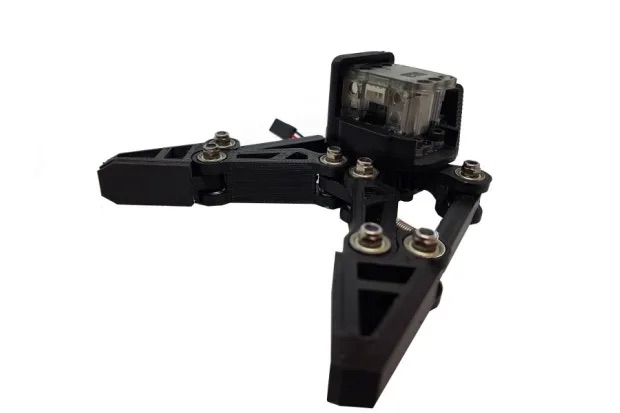
Robotics and automation in food industry packaging are well-established, and they are becoming more advanced all the time. Robotics in food industry packaging can now use advanced machine vision to pick products of varying sizes and orientations and load them properly into packaging systems. These industrial robots can improve packaging efficiency since they can work around different sizes and cuts of meat (and many other foods) and get them all into their proper packaging.
To compete for the loyalty of the increasingly scrutinous consumer, innovations in food and beverage manufacturing are leaning into the innovations of Industry 4.0 to maximise efficiency.
Extreme temperatures, pressures, and sanitation chemicals are often thrown at food and beverage manufacturing automation technologies. Innovations in stainless steel robotics in food industry packaging allow these machines to operate better in these conditions and withstand rigorous cleaning.
Food packaging is challenging to make sustainable since it must be sterile, lightweight, sealable, and cost-effective. This has long meant very wasteful, single-use, plastic materials. Consumers, investors, and retailers are demanding the food manufacturing industry improve its packaging game, and it is stepping up.
Biodegradable material advances include food packaging made from seaweed, mushrooms, coconut husk, sugarcane, and more.
Smart packaging innovations include materials that change colour based on food temperature, sensors that detect the gases of decaying produce, and RFID tags that transmit food history and status to organising systems. These can all help you reduce waste by using up food before it spoils.
Special packaging can also actively preserve food by automatically reducing oxygen content to deter the growth of bacteria and microbes.
To compete for the loyalty of the increasingly scrutinous consumer, innovations in food and beverage manufacturing are leaning into the innovations of Industry 4.0 to maximise efficiency.
Given its immense importance, innovations in food and beverage manufacturing extend to ensuring safe consumption.
Foreign Object Detection: Advanced detector systems can identify metal or other foreign contaminants in food.
Detecting Spoilage: AI-driven electronic ‘noses’ can detect spoiled meat. These can help promptly dispose of spoiled food and also prevent wasting food that is past its printed expiry date but still truly safe.
IIoT Integration: Sensors integrated with a business’ systems can issue alerts for issues such as refrigerator temperatures dropping too low. Integrating these with apps lets workers quickly learn of these problems and address them in their early stages.
Both consumers and investors are driving food and beverage industry trends towards greater sustainability in material waste, packaging, energy usage, and ethical sourcing. Food industry technology is following accordingly, not just for reputational reasons but also for practical ones like energy efficiency.
Upcycling is the practice of usefully purposing material and by-products that would normally go to waste. Examples include:
Some countries have upcycling certification programmes. These apply earned certifications to food labels, which encourage sales to sustainability-minded consumers. This in turn encourages the food manufacturing industry to keep employing upcycling.
Vertical agriculture grows fruits and vegetables indoors in vertical arrangements and with less soil. This allows for growing more food using less land and closer proximity to the consumer. This technique does use more energy, and the list of plants growable this way is small, but food industry innovations are continuing to make this an increasingly viable way to improve food sustainability.
When it comes to food and beverage manufacturing, quality control is essential for keeping customers satisfied and safe. Its innovations include:
When it comes to food and beverage manufacturing, quality control is essential for keeping customers satisfied and safe. Its innovations include:
Given material shortages, rapidly changing consumer behaviour, and pandemic after-effects, supply chain management is an ongoing challenge in the food manufacturing industry. Innovations in food and beverage manufacturing software are seizing the concepts of Industry 4.0 to better understand and optimise their incoming and outgoing products.
Supply chain innovations in food traceability software allow businesses to:
ERP food traceability software can optimise batch management by automatically recording and logging temperature, ingredients, and cooking time. These systems can easily scale and adjust based on batch sizes or product specifications.
Blockchain technology can contribute much to food traceability software since it can create an ongoing digital record of a product’s origin, manufacturing date, and ingredient traceability. This provides easy access to proof that food products are genuine and meet their required regulations.
Food traceability software can also add fingerprint-like markers to these info packages. These can be used to help fight counterfeiting by identifying products that didn’t end up where they should have been.
Food and beverage industry trends are rapidly developing and changing, and food and beverage technology will need to keep up.
Browse our site to learn more about how maintenance and automation will be vital for food and beverage manufacturing in the future.