ex VAT
inc. VAT
Promotional Code
Use promotional code RSUAE5 and get extra 5% off on the price of all products | Payment Options: Debit or Credit Card, Wire Transfer, Cash or Cheque
CASE STUDIES AND SERVICES
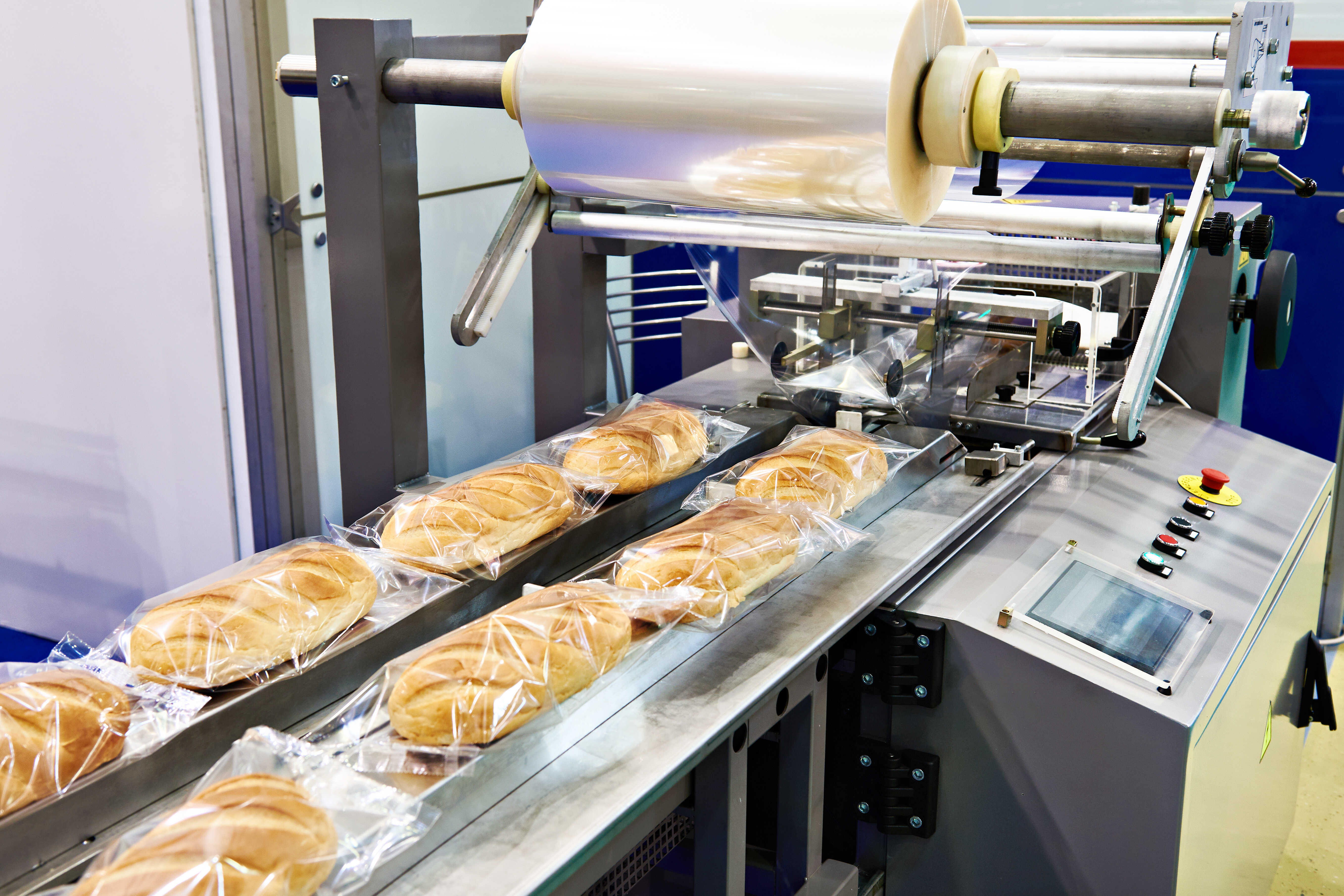
Food packaging enables the distribution and transportation of food, extends its shelf life, and ensures it is safe to consume. This guide looks at food packaging types (including smart packaging), examines the impact of food packaging on the environment, and looks at how sustainability may affect the design and manufacture of food and beverage packaging in the future.
One of our category managers recently sat down to share their thoughts on what seven key products you need to help improve your manufacturing processes.
In the food and beverage industry, compressed air serves as a fundamental component in various production processes. Addressing these issues is imperative, as they not only inflate energy costs but also compromise manufacturing efficiency, product quality, and consumer safety.
With the global population predicted to increase further to 9.7billion by 2050, the need to produce food has never been greater. Read how some industry leaders are turning to Vertical Farming to help solve this growing issue.
Compressed air is the 4th largest energy source used in the food industry. It is used for different purposes: automating a process, providing energy, packaging products, etc. Its main advantage is that it can be produced on site by the user. However, this production generates inevitable contamination that must be treated to comply with food hygiene standards.
The production of food and beverages is a complicated sector with many obstacles. Businesses in this industry need to successfully negotiate a variety of concerns, from high costs of supply chain to political reasons and climate change. In this post, we’ll examine some of the major problems faced by the food and beverage industry and talk about possible solutions. So, let’s get started and learn about the main challenges this sector faces.
Explore the innovations and automation used in food and beverage manufacturing to stay ahead of industry challenges and keep up with consumer trends. To stay competitive while meeting consumer needs, which become more varied and complex every day, the food manufacturing industry is embracing innovations to maximise efficiency, improve sustainability, and better control supply chains and traceability.